15-17 June – China (Xinjian-Tibet) – ~765 miles
Out of one famously oppressed province, and into another.
A few days of very quickly changing plans, less-than-ideal conditions, etc.
Left Kashgar, according to plan… albeit with a police escort – driving extremely slowly, despite the fact they seemingly wanted us to “just get out”.
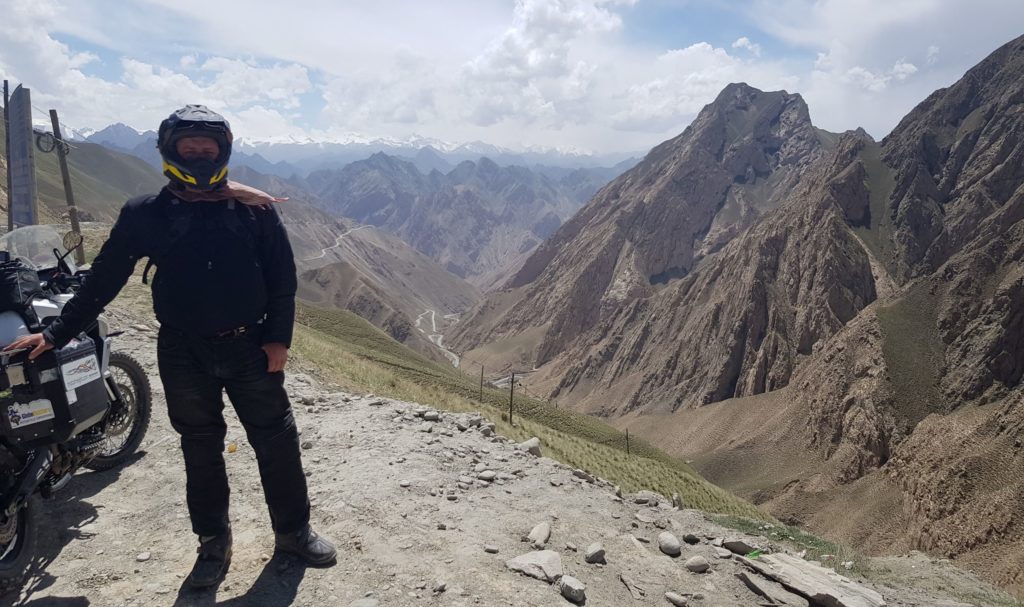
Some decent scenery and roads, especially on the ascent, peak, and descent – of a 3,300m pass.
Then – arrived at a wee village, which was one option for the overnight stop. Spent an hour or two trying to get the local military/police commander to “approve” that… which was eventually declined. And – also declined… the next option for an overnight stay. Apparently – both places have military camps, which were fully occupied – and they were afraid we’d sneak and spy and what-not. So – rather late in the evening – we realise that instead of another 0 miles, or another 50 miles… we’ve got another 130 miles to ride. Which didn’t seem so bad… until that same military commander kept us blocked at his little checkpoint for another hour or so.
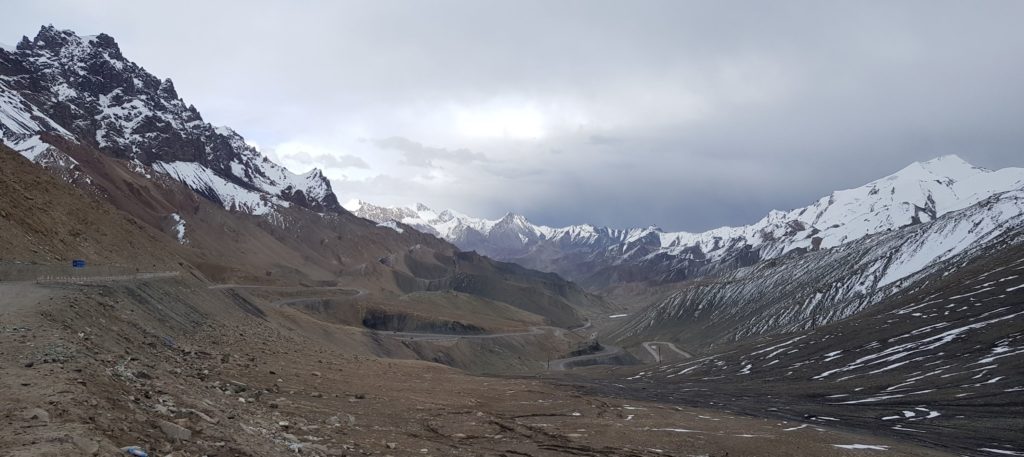
Eventually – we got riding again – and discovered that this extra 130 miles included another checkpoint or two, a 4,950m pass (which was dirt/gravel road all the way up/down), and all those good things. And that dirt/gravel road up to the 4,950m pass – was in pretty poor light conditions by that point, with my goggles’ lenses having been changed to darkened ones just the other day. Anyway – we eventually got to our 3rd-choice accommodation at around 23:00, properly dark by then – and discovered that after being refused permission to stay in two places because they were in the same village as military camps… we were staying in an old/disused military barracks. As to the place-name… I don’t think it has one… the closest I could find on a paper map – was a tiny place named Sugät, near Shähidulla, about 75 miles east of Mazar.
Next morning – the plan was to put in a big day, effectively finish off what was originally supposed to be “today’s ride” (considering we’d already done half of it), plus the following days’ ride, plus the next day’s fairly short ride – in order to skip another nights’ “basic” accommodation, and instead eventually get an extra day/night in Lhasa.
So – fairly early start – to be the very first vehicles through the checkpoint which was literally on our front door-step. The checkpoint doesn’t start processing us until a fair bit after “official opening time” – and then… does the most complete check of each rider/bike we’ve seen. Minutes spent on each rider, scrutinising face vs passport vs mobile phone (presumably central records). Then – a luggage check which actually involved pulling out bags, etc. Quite a long time spent before we could even start.
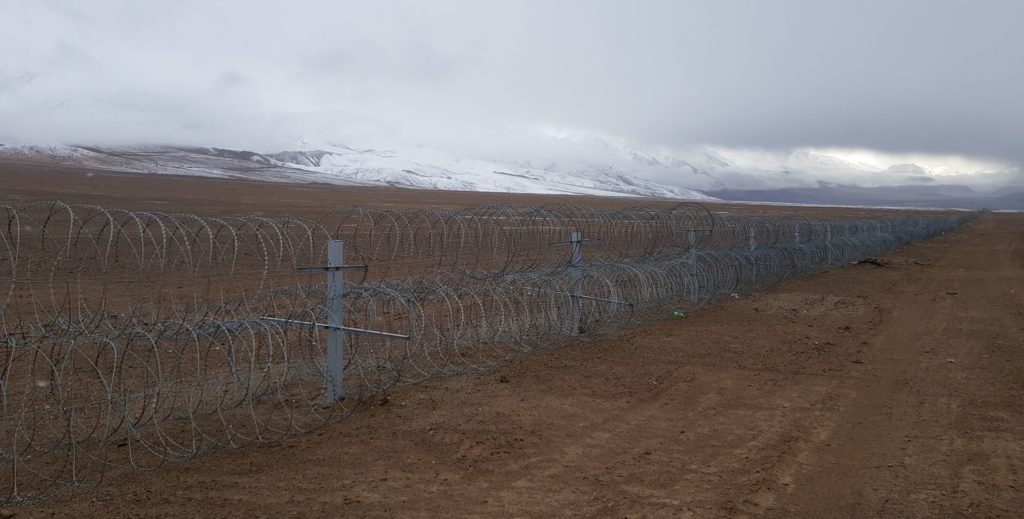
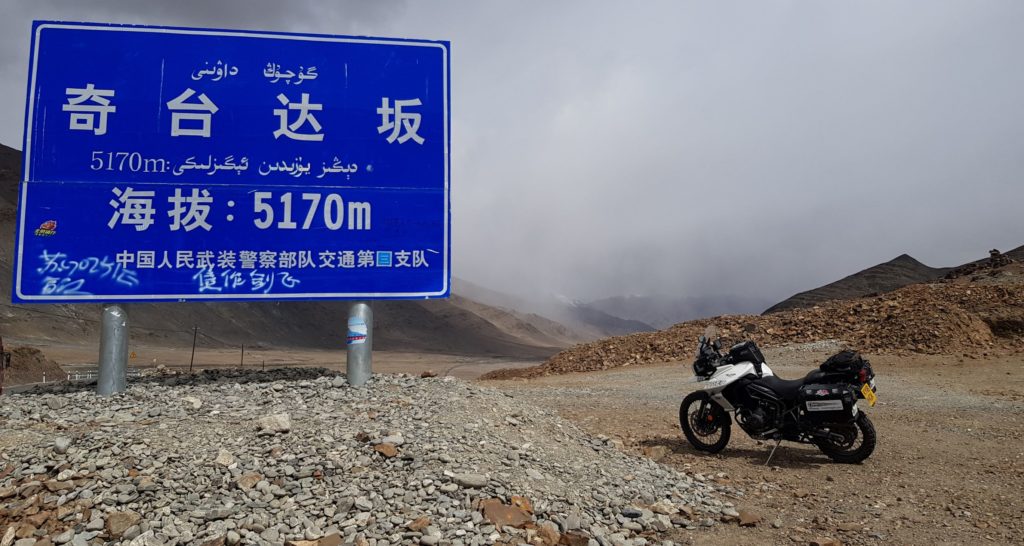
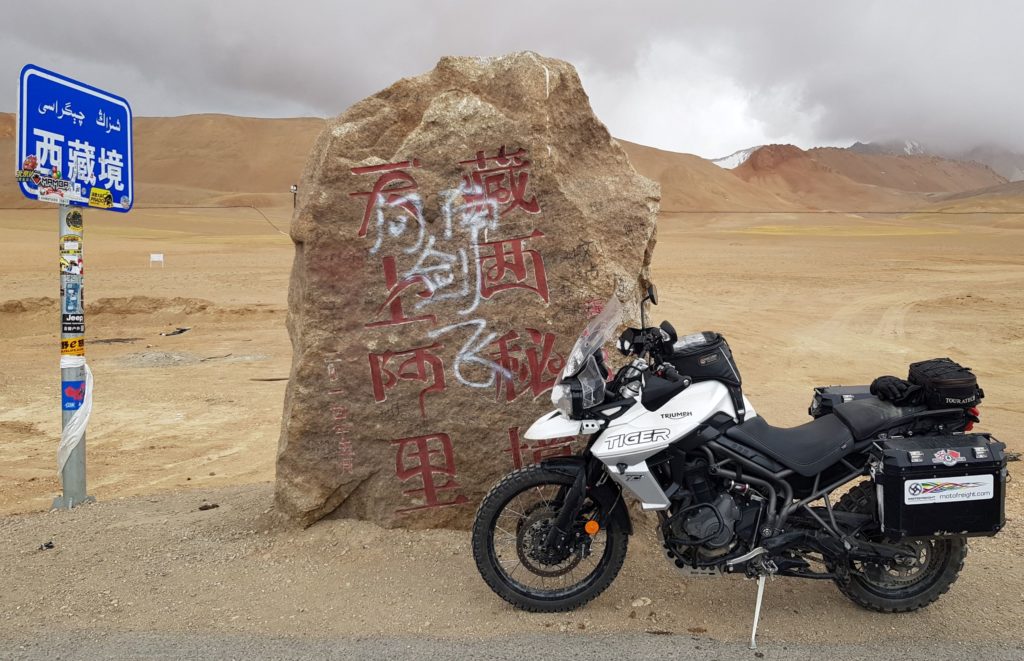
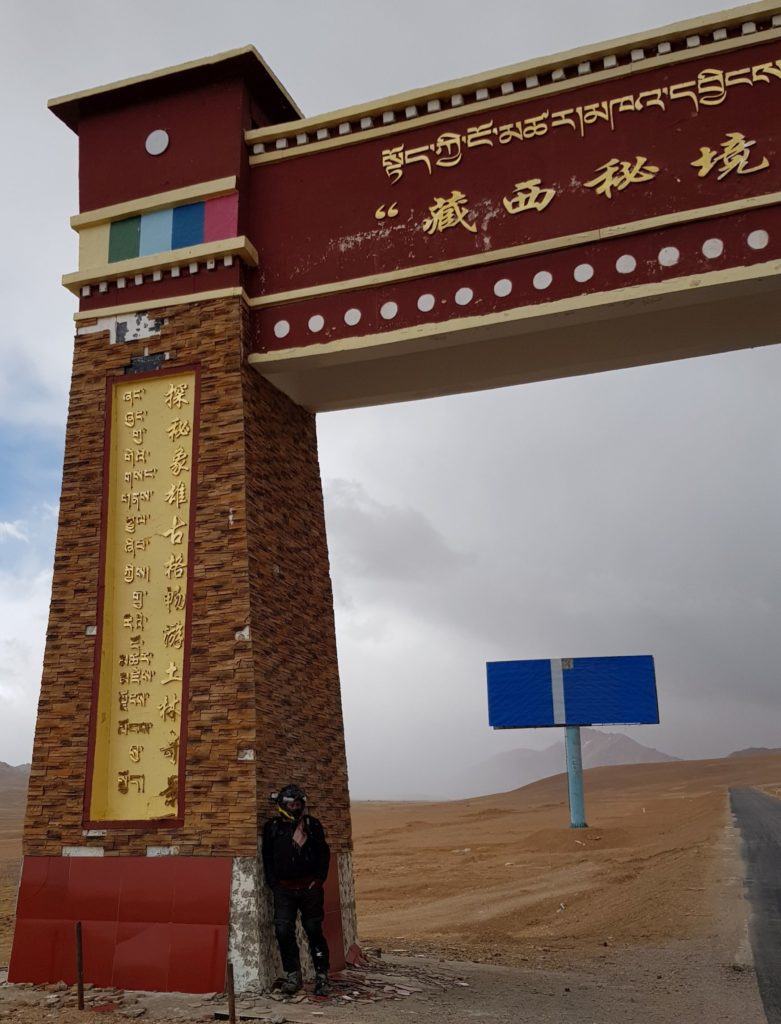
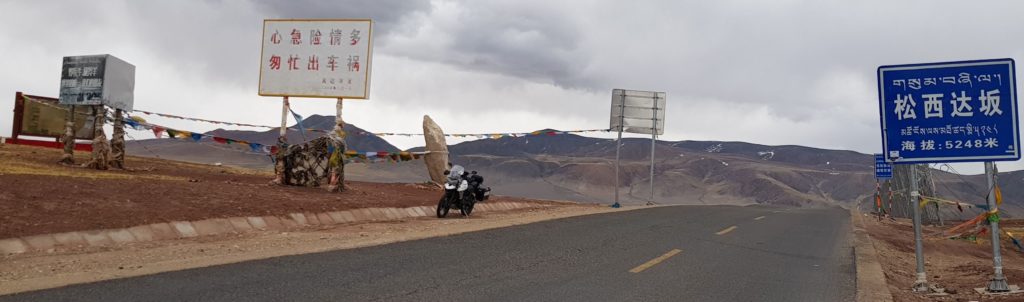
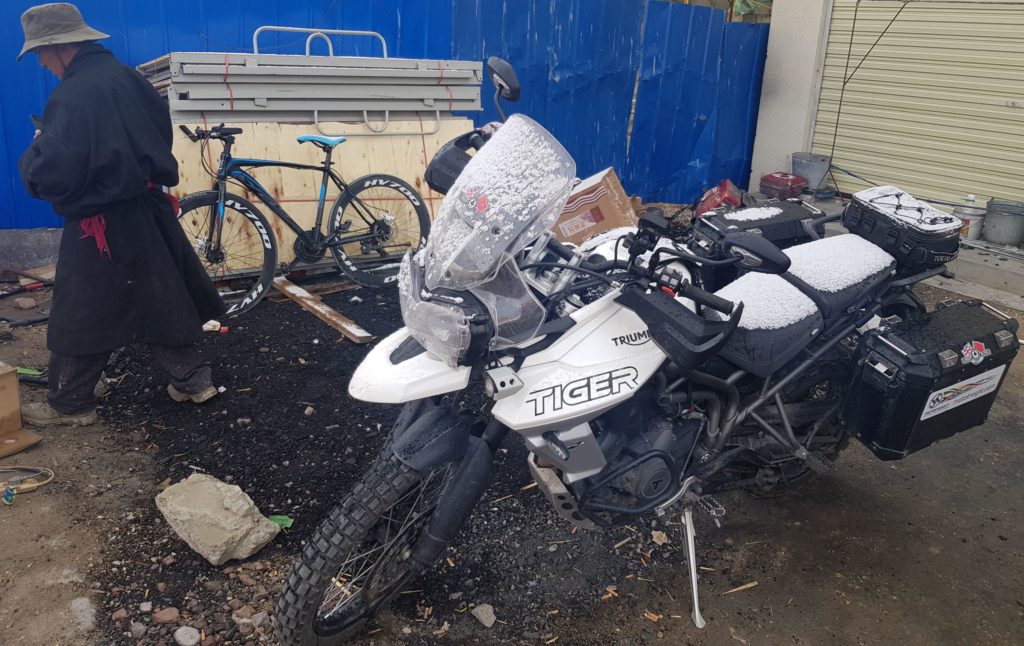
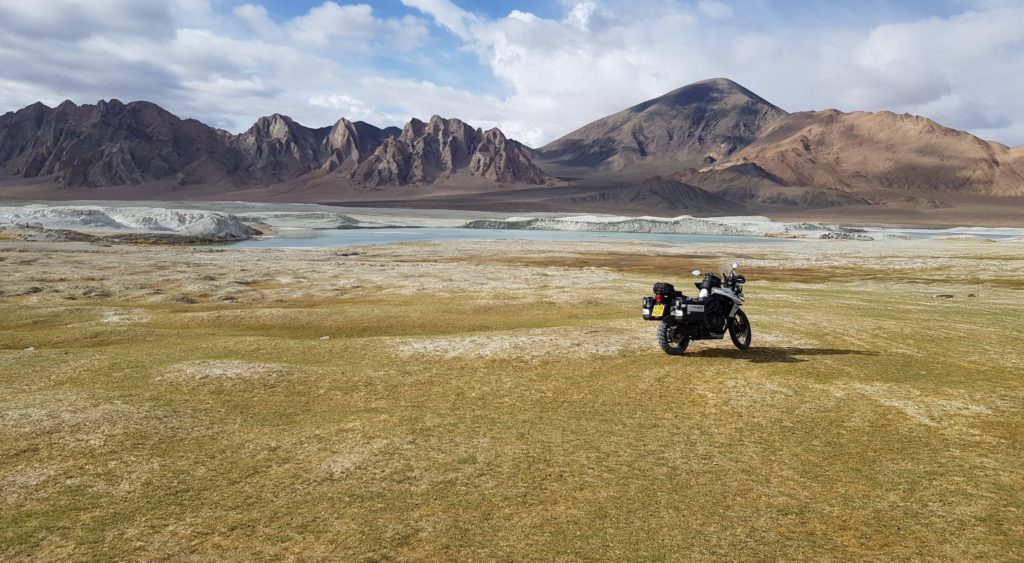
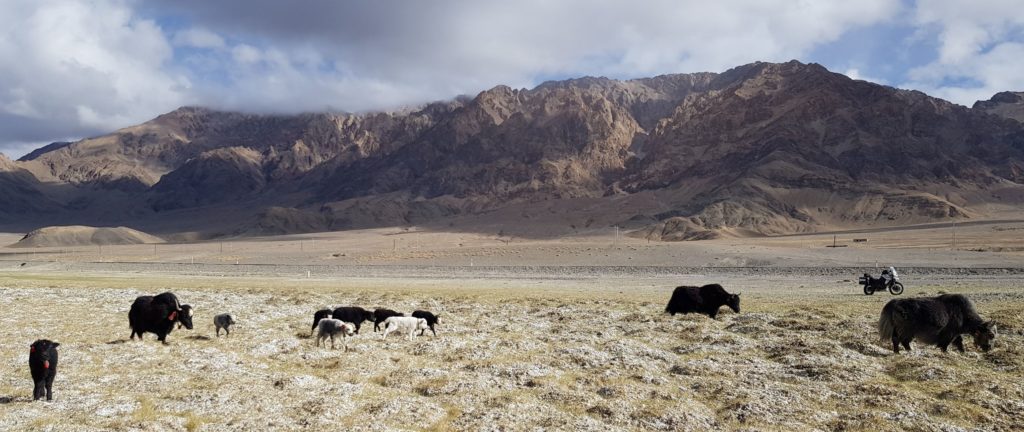
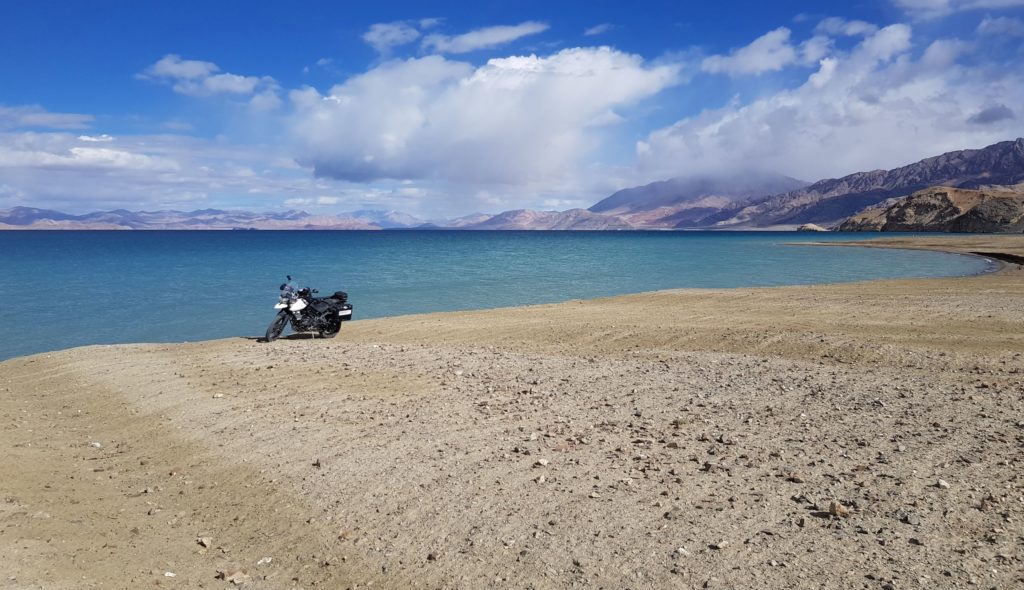
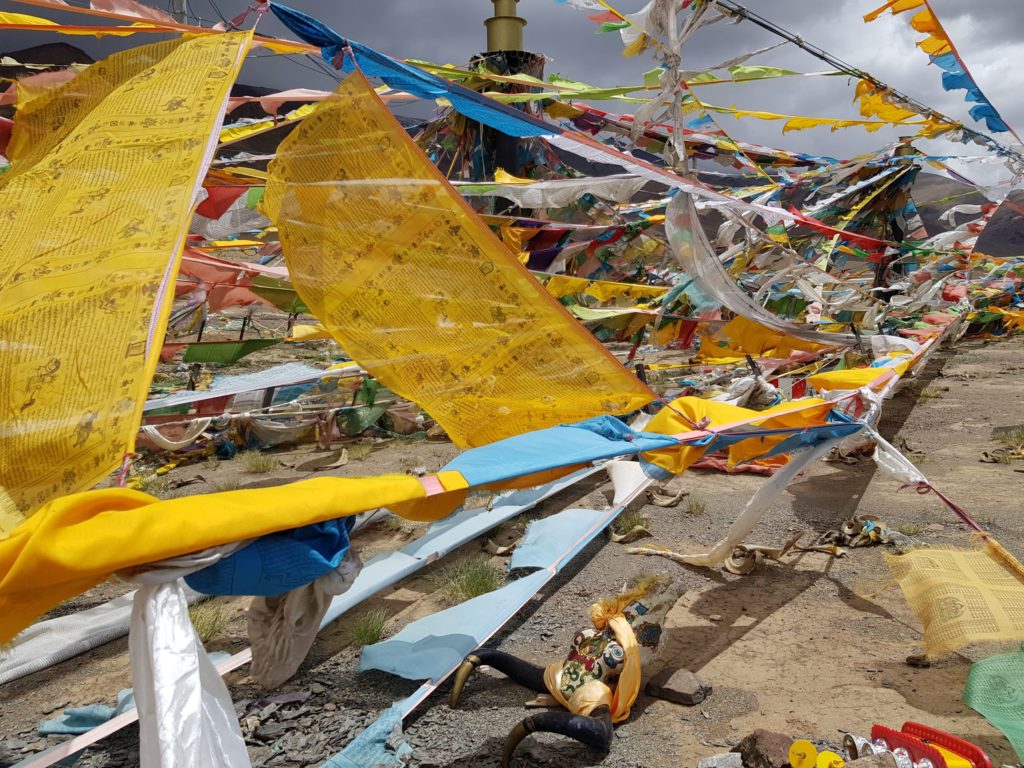
But eventually got moving – into Tibet, over a 5,170m pass, some more checkpoints, and a fair bit of time spent riding along a high altitude plateau (5,368m at times, apparently) – in the snow. At each checkpoint, we had to wait until the entire group was gathered, including the local guide riding in the van… and at one such checkpoint, it was decided that the checkpoints and weather weren’t really making it sensible to put in the big 480 mile day we’d “planned”… and therefore – we stopped in the small village of Duoma/Domar instead. This place didn’t have enough beds, or any hot water – but we made do with mattresses on floors, some rather close-packed rooms, etc. Being cold, oh-so-cold, I was pleased not to be putting in the extra 140 miles.
Which pretty much put us back “on schedule” – for a short ride into a larger town/city – Ali/Gar/Shiquanhe (nobody seems to know the actual/official names for places around here… I don’t know if that’s because of China trying to change Tibetan names into Han-Chinese ones, or what) – for some “proper” hotel rooms, with hot showers, internet access, and little oxygen machines on the walls (a few people have had problems with altitude sickness).
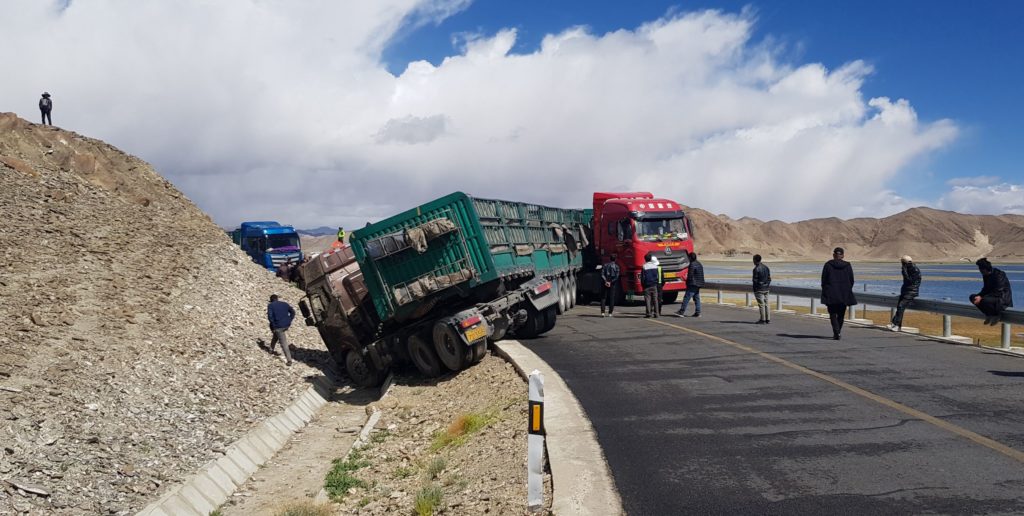
Anyway – some photos, all clumped together at the end, as usual – as I’m rushing these updates out – and can’t be bothered placing them nicely in the correct places within the narrative.